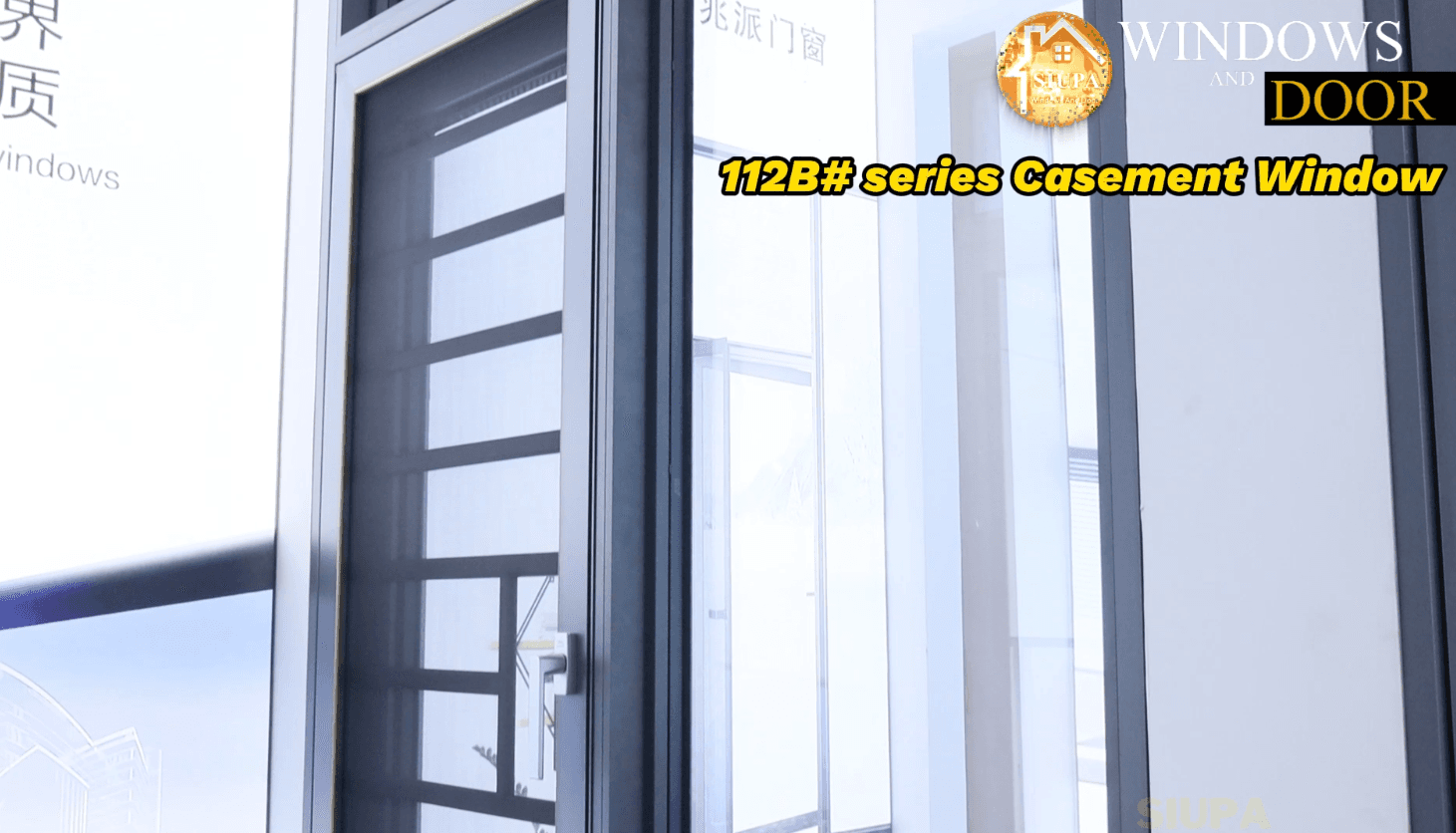
Window sizes vary significantly based on architectural style, room function, regional preferences, and building codes. Understanding average window dimensions helps homeowners, builders, and designers make informed decisions about replacements, new construction, and energy efficiency. In North America, standard residential window sizes typically range from 24″ x 36″ to 48″ x 72″, while in China […]
Window sizes vary significantly based on architectural style, room function, regional preferences, and building codes. Understanding average window dimensions helps homeowners, builders, and designers make informed decisions about replacements, new construction, and energy efficiency. In North America, standard residential window sizes typically range from 24″ x 36″ to 48″ x 72″, while in China and other metric-based regions, common dimensions follow 300mm modular increments (e.g., 600mm, 900mm, 1200mm). Global averages provide useful benchmarks—such as the frequently cited 36″ x 54″ (3′ x 4.5′) for double-hung windows—but local standards, climate considerations, and functional needs ultimately determine optimal sizing. Double-Hung Windows Article Overview Common Residential Window Types and Their Standard Sizes Factors Influencing Window Size Selection Energy Efficiency & Building Codes How to Measure Windows Accurately Regional Variations in Window Sizes Custom Windows: When to Consider Impact on Home Value and Energy Costs Conclusion Pro Tips for Buyers: Common Residential Window Types and Their Standard Sizes Double-Hung Windows Most Common Range: 24″ x 36″ to 48″ x 72″ (600mm x 900mm to 1200mm x 1800mm) Typical Widths: 24″, 28″, 32″, 40″ (600mm, 700mm, 800mm, 1000mm) Typical Heights: 36″, 44″, 52″, 54″, 62″ (900mm, 1100mm, 1300mm, 1350mm, 1550mm) Average Size: 36″ x 54″ (900mm x 1350mm) Double-hung windows are prevalent in North American homes but less common in China, where they appear mainly in Western-style developments. They offer balanced ventilation and classic aesthetics. Casement Windows Standard Range: 24″ x 36″ to 48″ x 72″ (600mm x 900mm to 1200mm x 1800mm) Common Sizes: 24″ x 36″, 30″ x 48″, 36″ x 60″ (600x900mm, 750x1200mm, 900x1500mm) Average Size: 30″ x 54″ (750mm x 1350mm) Casement windows dominate the Chinese residential market due to superior air-tightness, ease of operation, and compatibility with modern system windows. They are ideal for bedrooms and kitchens requiring controlled ventilation. Sliding Windows Sliding Windows Typical Range: 36″ x 24″ to 84″ x 60″ (900mm x 600mm to 2100mm x 1500mm) Common Widths: 36″, 48″, 60″, 72″, 84″ (900mm, 1200mm, 1500mm, 1800mm, 2100mm) Average Size: 48″ x 36″ (1200mm x 900mm) Popular in apartments and high-rise buildings across Asia and North America, sliding windows save interior space and suit wide openings like balconies or living rooms. Horizontal sliders are standard; vertical variants exist but are rare. Picture Windows Picture/Fixed Windows Size Range: 24″ x 24″ to 96″+ x 96″+ (600mm x 600mm to 2400mm+ x 2400mm+) Common Large Sizes: 60″ x 48″, 72″ x 60″, 84″ x 72″ (1500x1200mm, 1800x1500mm, 2100x1800mm) Average Size: 60″ x 48″ (1500mm x 1200mm) Fixed windows maximize daylight and views without operability. They are widely used in modern Chinese residences and contemporary North American designs, often paired with flanking casements or transoms. Factors Influencing Window Size Selection Architectural Style Traditional homes (e.g., colonial, craftsman) favor smaller, proportionally balanced windows. Modern and minimalist styles embrace large glazed areas. In historic districts of cities like Beijing or Boston, local ordinances may restrict window modifications to preserve façade integrity. Room Function & Layout Living Rooms: Larger windows (avg. 60″x48″ / 1500x1200mm) for natural light and views Bedrooms: Medium sizes (avg. 36″x54″ / 900x1350mm), often casement for privacy and airflow Bathrooms: Smaller, high-placed units (avg. 24″x36″ / 600x900mm) for ventilation and privacy Kitchens: Mix of operable and fixed glass; often include hopper or awning vents above sinks Energy Efficiency & Building Codes Energy performance is governed by standards such as: North America: ENERGY STAR®, NFRC ratings (U-factor, SHGC) China: GB/T 8478-2020 (Aluminum Alloy Windows), GB/T 51350-2019 (Near Zero Energy Buildings) Key metrics: U-value: Lower = better insulation (target <1.5 W/m²·K in cold climates) Solar Heat Gain Coefficient (SHGC): Balance between passive heating and cooling load Air Leakage: High-performance windows achieve ≤0.1 cfm/ft² (or Class 8 per GB/T 7106) Larger windows increase daylight but can compromise thermal performance unless paired with low-E coatings, argon fills, or triple glazing. How to Measure Windows Accurately Step-by-Step Measurement Guide: Measure width at top, middle, and bottom of the opening Measure height on left, center, and right sides Record the smallest dimensions—these dictate fit For replacement windows, note whether measuring rough opening or existing frame Rough Opening vs. Actual Window Size North America: Rough openings are typically ½” to 1″ larger than the window unit China/Europe: Openings exceed window dimensions by 20–40mm to accommodate shims, sealant, and insulation foam Accurate measurement prevents installation gaps that lead to drafts, water intrusion, or structural stress. Regional Variations in Window Sizes Region Measurement System Common Modular Increments Climate Influence North America Imperial (inches) 4″, 6″, 12″ Larger south-facing windows in cold zones for solar gain China / Europe Metric (mm) 300mm (e.g., 600, 900, 1200) Smaller windows in northern China (Harbin); larger in southern (Guangzhou) for cross-ventilation Local building practices also affect proportions—European tilt-and-turn windows often use taller, narrower profiles compared to North American double-hungs. Custom Windows Custom Windows: When to Consider Non-rectangular openings (arches, circles) Historic renovations with irregular frames Ultra-modern designs requiring floor-to-ceiling glazing High-wind or seismic zones needing reinforced engineering Custom units require 4–8 weeks lead time and carry premium pricing due to tooling and testing costs. Impact on Home Value and Energy Costs Resale Value Homes with well-proportioned windows and ample natural light command higher prices. An optimal window-to-wall ratio (WWR) of 25–35% enhances appeal without sacrificing efficiency. Oversized glazing on west facades can deter buyers due to glare and heat concerns. Energy Performance A properly sized, high-performance window can reduce HVAC loads by up to 12% annually. For example: A 1500x1200mm (60″x48″) double-glazed low-E argon unit: U-value ≈1.3 W/m²·K Same size without low-E: U-value ≈2.8 W/m²·K → ~50% more heat loss Smart sizing—paired with external shading in hot climates—prevents summer cooling penalties while maximizing winter solar gain. Conclusion While “average” window sizes like 36″ x 54″ (900mm x 1350mm) serve as helpful references, the ideal dimension depends on your specific context: room function, architectural style, climate zone, and energy goals. Most residential applications fall within 24″x36″ to 48″x72″ (600x900mm to 1200x1800mm), with casement and sliding types dominating global markets. Pro Tips for Buyers: Always measure openings three times before ordering Request third-party test reports (e.g., per GB/T 7106-2019 or AAMA/WDMA/CSA 101/I.S.2/A440) Compare full system performance—not just glass—(frame, spacer, sealant, hardware) Consult local building codes; “standard” sizes vary slightly between manufacturers like YKK AP, Schüco, Andersen, or Asia Aluminum By balancing aesthetics, functionality, and energy performance, you can select windows that enhance comfort, value, and sustainability for decades.